- Discover the elegance of Rajwadi Gharchola Sarees, showcasing exquisite designs and vibrant colors that embody the rich heritage of Indian culture.
- Experience the allure of Rajwadi Gharchola Sarees, where traditional craftsmanship meets contemporary fashion, offering a stunning collection of intricately woven sarees.
- Indulge in the timeless beauty of Rajwadi Gharchola Sarees, where each piece tells a story of opulence and grace, perfect for those seeking a touch of regal charm.
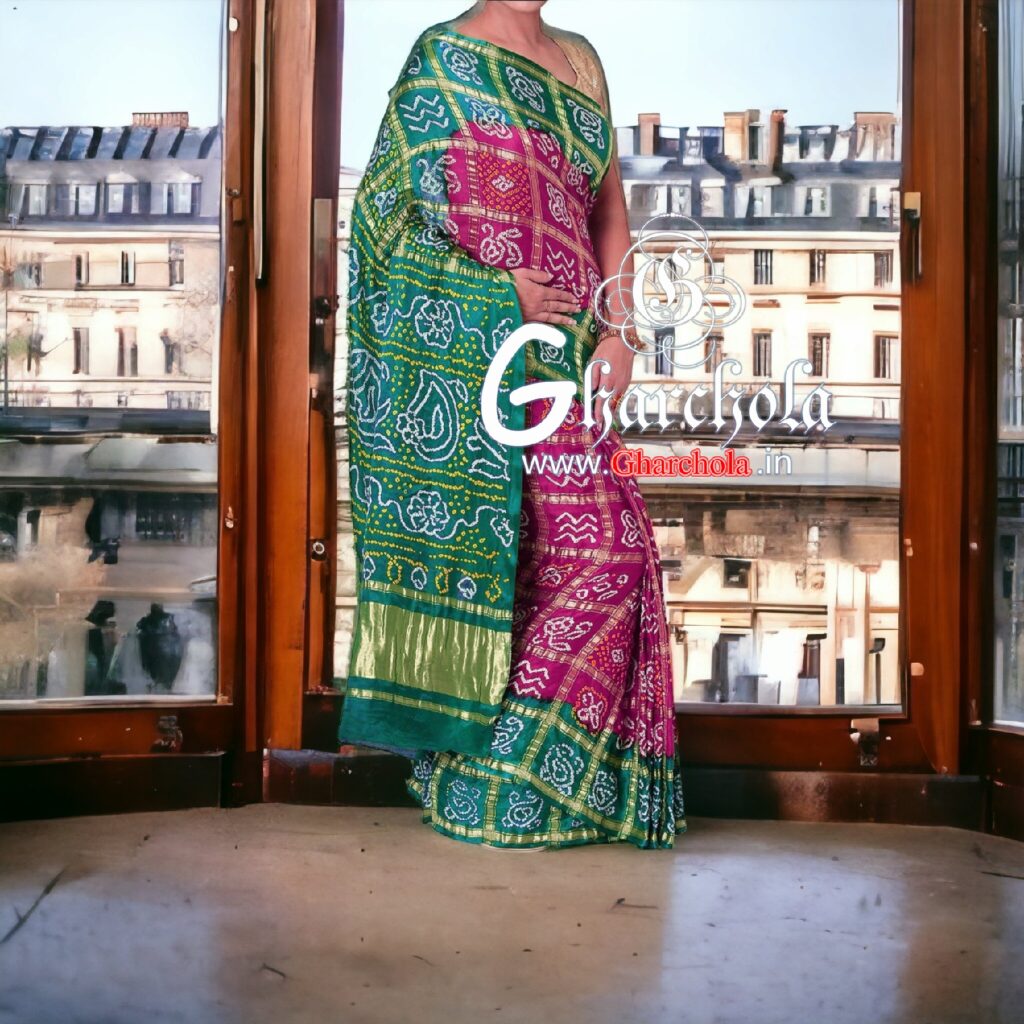
ODHANO | KHOMBHI | DUPATTA
-

Green Rai Bandhani Gharchola Dupatta Pure GajiSilk
Sale! Original price was: ₹35,500.00.₹7,500.00Current price is: ₹7,500.00. Add to basket -
Pink Red Banarasi Bandhani Dupatta Georgette Silk
Sale! Original price was: ₹11,500.00.₹3,400.00Current price is: ₹3,400.00. Add to basket -

Rani Pink Rai Bandhani Gharchola Dupatta Pure GajiSilk
Sale! Original price was: ₹35,500.00.₹7,500.00Current price is: ₹7,500.00. Add to basket -

Red Rai Bandhani Gharchola Dupatta Pure GajiSilk
Sale! Original price was: ₹35,500.00.₹7,500.00Current price is: ₹7,500.00. Add to basket
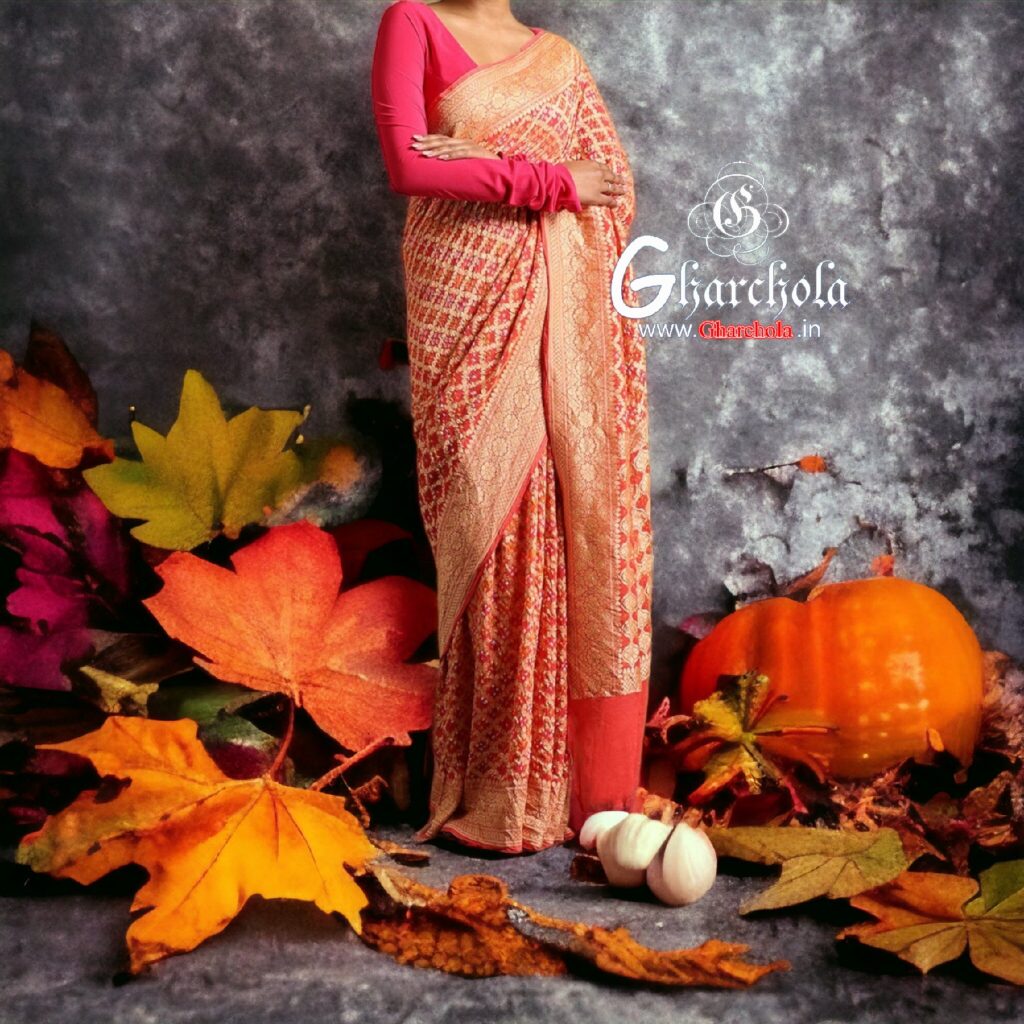
SAREES
-
Brinjal Gharchola Saree Pure Gaji Silk Rai Bandhani
Sale! Original price was: ₹35,800.00.₹12,500.00Current price is: ₹12,500.00. Add to basket -
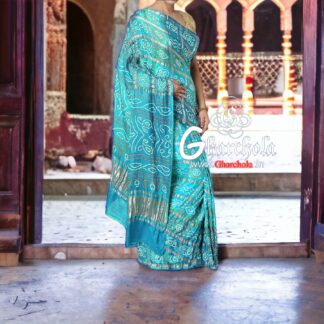
Aqua Gharchola Saree Pure Gaji Silk Rai Bandhani
Sale! Original price was: ₹35,800.00.₹12,500.00Current price is: ₹12,500.00. Add to basket -
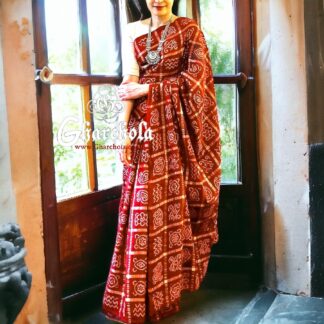
Red Real Jari Gharchola Rai Bandhani Saree Traditional Wedding
Sale! Original price was: ₹65,000.00.₹38,000.00Current price is: ₹38,000.00. Add to basket -
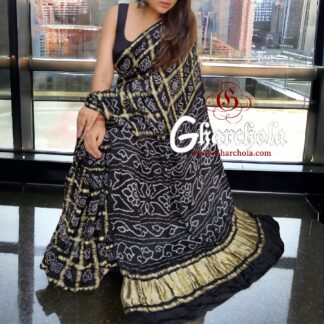
Extreme Black Gharchola Saree Pure Gaji Silk Bandhani
Sale! Original price was: ₹25,800.00.₹9,800.00Current price is: ₹9,800.00. Add to basket
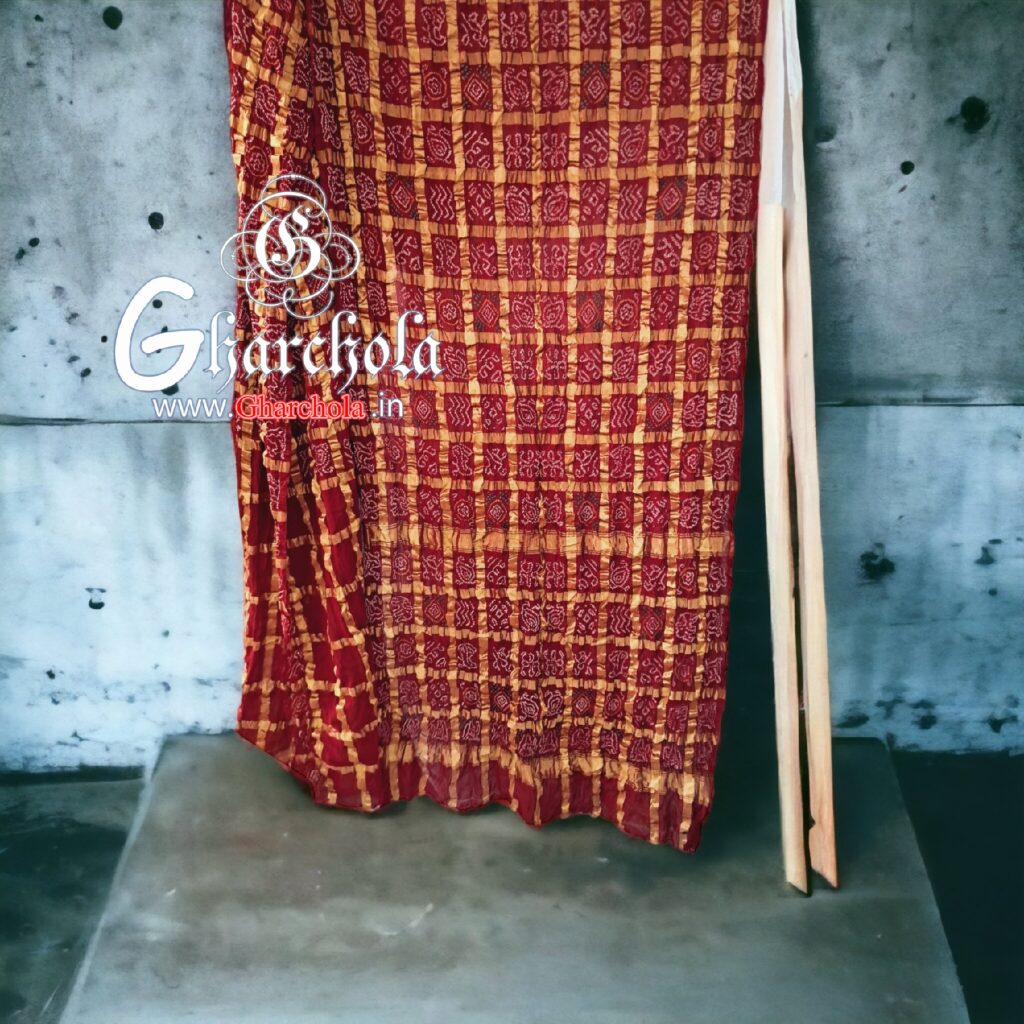
Rajwadi Gharchola Sarees, particularly those featuring the exquisite Bandhani technique, represent a rich tapestry of cultural heritage and craftsmanship. These sarees are characterized by their vibrant colors and intricate patterns, which are achieved through a meticulous tie-dye process. The Bandhani method involves tying small portions of fabric with threads before dyeing, resulting in unique and beautiful designs that are both traditional and contemporary. The artistry involved in creating these sarees reflects the skill and dedication of artisans who have honed their craft over generations.
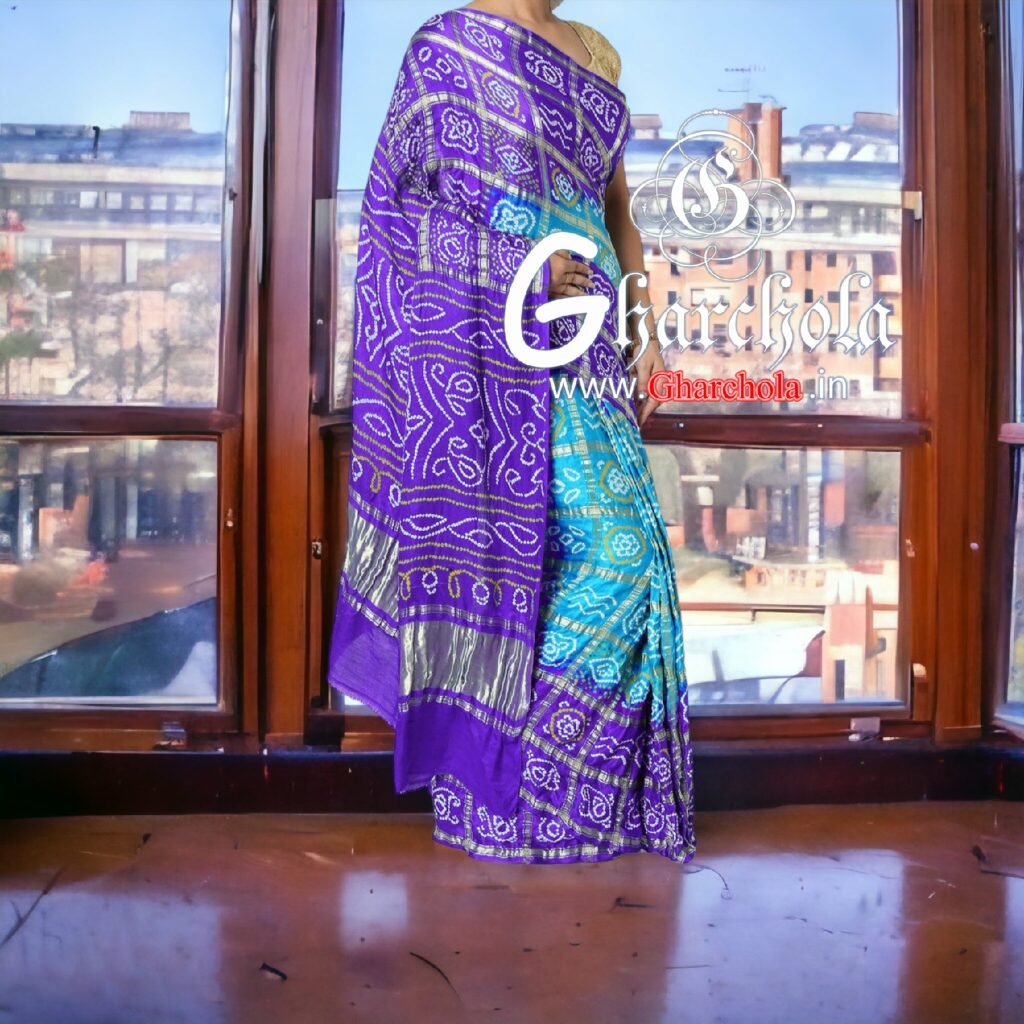
The Rajwadi Gharchola sarees are not merely garments; they are a celebration of tradition and identity. Often worn during festive occasions and celebrations, these sarees embody the spirit of Indian culture. The combination of the Bandhani technique with the rich textures and colors of the fabric creates a visual feast that captivates the eye. Each saree tells a story, showcasing the intricate designs that symbolize various aspects of life, nature, and spirituality, making them a cherished addition to any wardrobe.
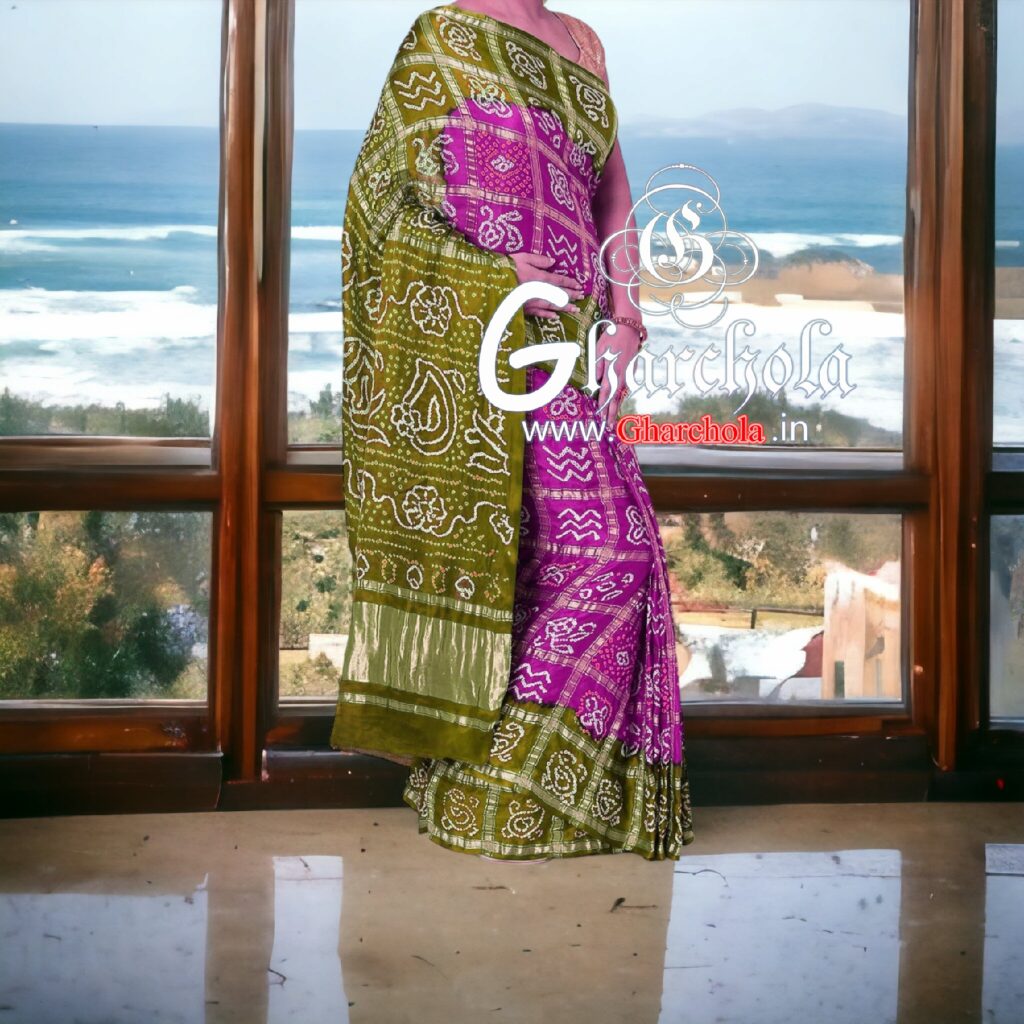
In addition to their aesthetic appeal, Rajwadi Gharchola sarees hold significant cultural value. They are often passed down through generations, serving as heirlooms that connect families to their heritage. The popularity of these sarees has transcended regional boundaries, making them a sought-after choice for women across India and beyond. As fashion continues to evolve, the timeless elegance of Bandhani sarees ensures that they remain a beloved choice for those who appreciate the beauty of traditional craftsmanship intertwined with modern sensibilities.
Gharchola
Discover more from GHARCHOLA
Subscribe to get the latest posts sent to your email.