Posted on

Best Gharchola Saree

Best Gharchola Saree: The Ultimate Guide to Authentic Handloom Bridal Elegance

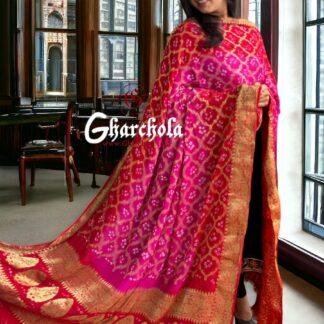
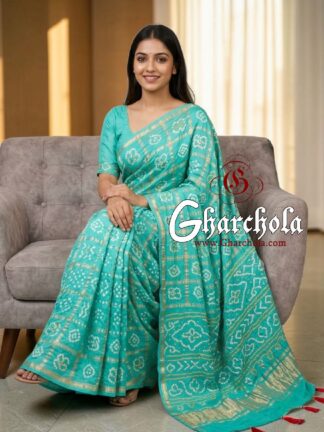
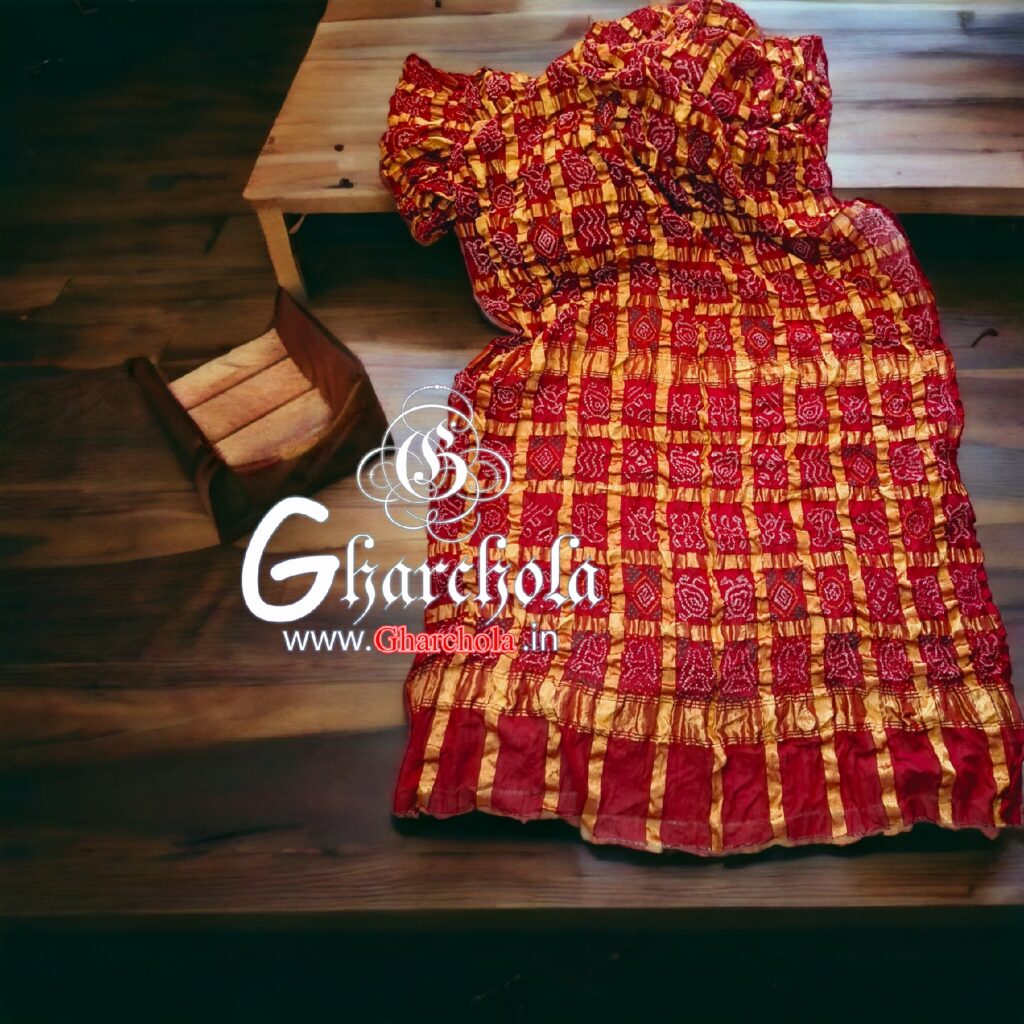
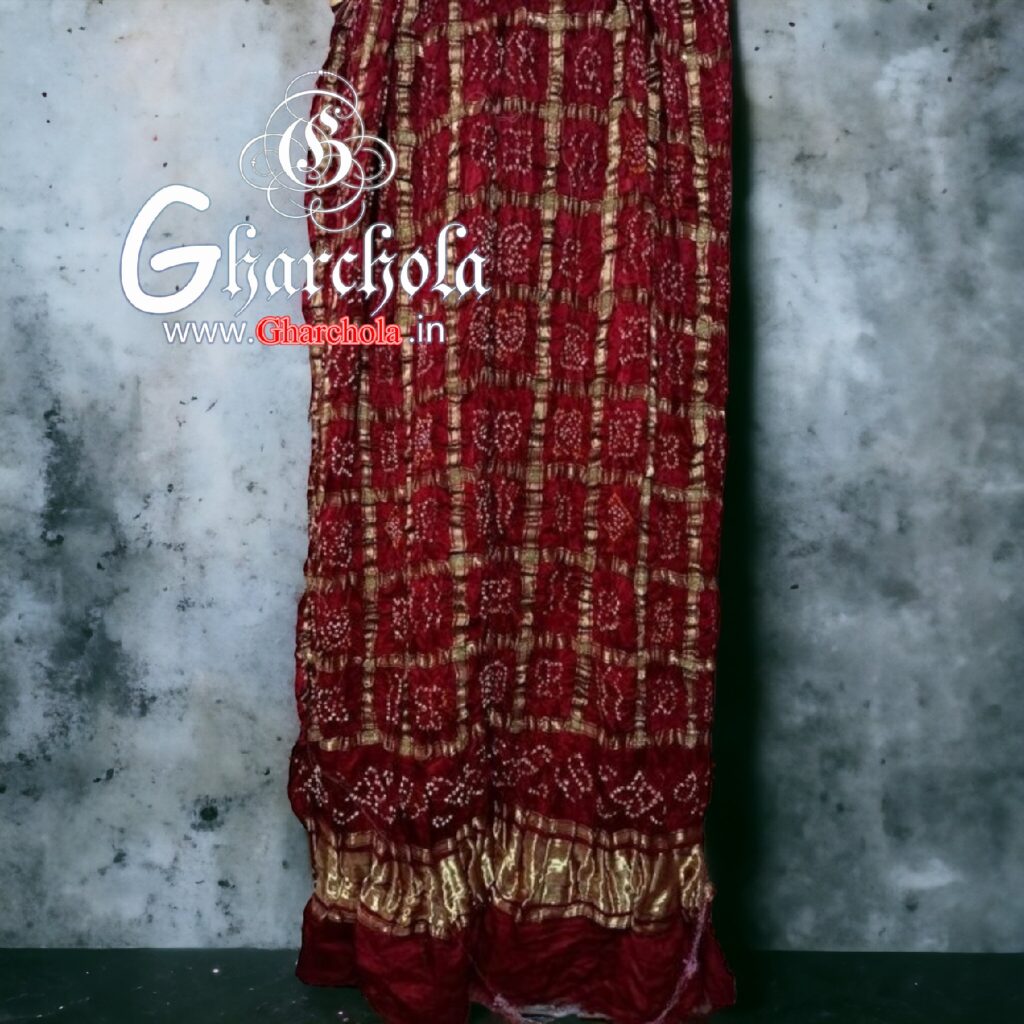
When searching for the best Gharchola saree, discerning brides and textile connoisseurs look beyond mere surface sparkle. An authentic Gharchola is not just another wedding drape—it is a sacred symbol of marital welcome (Ghar + Chola), woven through weeks of artisanal precision in Gujarat’s historic craft heartlands.

From distinguishing genuine hand-tied Bandhani from screen prints to understanding the secret behind 12-square (Baar Bagh) and 52-square (Bavan Bagh) grids, here is everything you need to choose the best handloom Gharchola saree for your wedding trousseau.

What Defines the Best Gharchola Saree?

The finest Gharcholas balance three non-negotiable craftsmanship elements:

  • Pure Gaji Silk Base: The premier foundation for a luxury Gharchola is pure vegetable-fiber Gaji silk. Woven in a tight satin weave, it offers a liquid fall, luminous surface luster, and high tensile strength to withstand tension-knotting without fiber fraying.
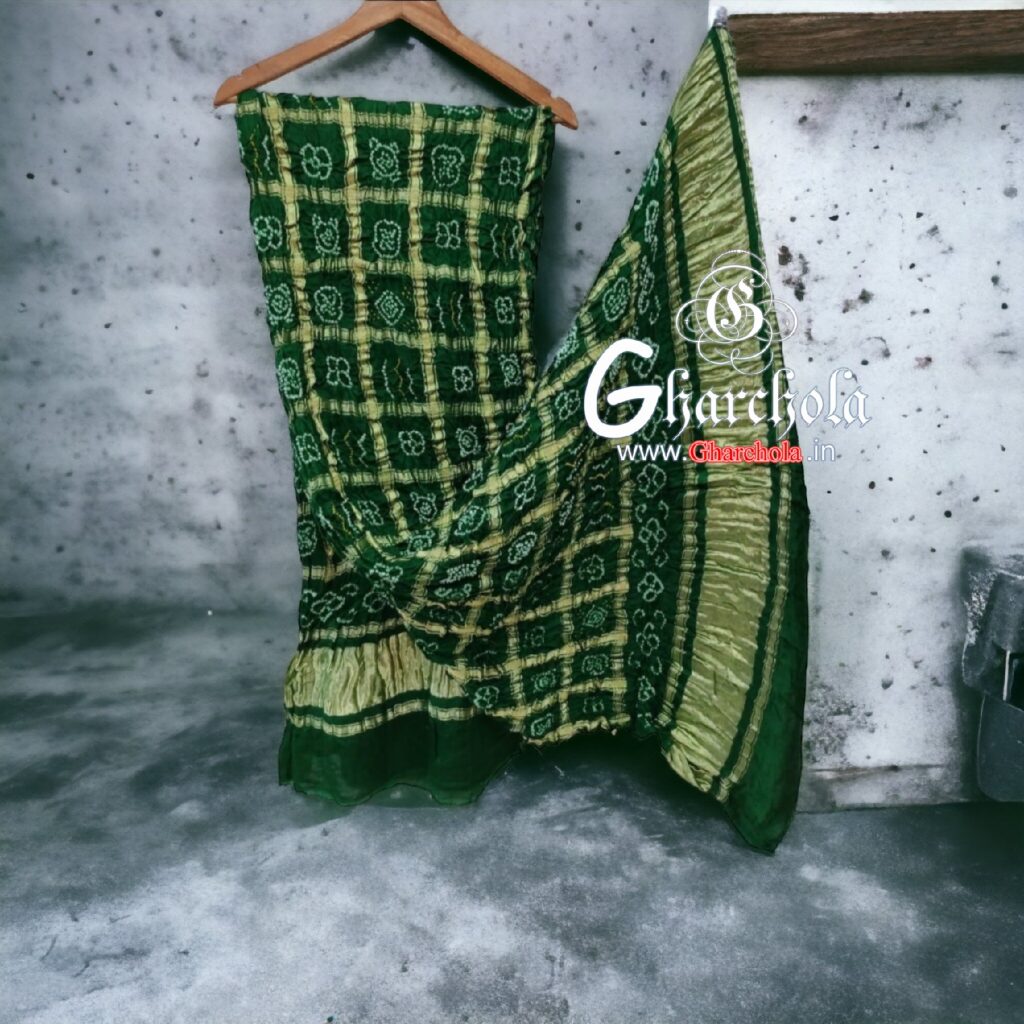
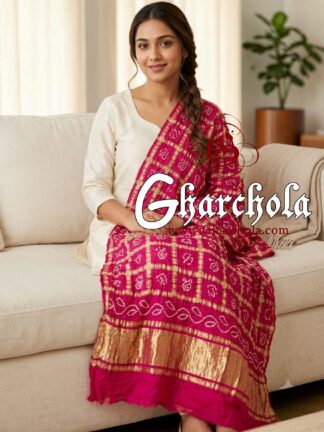
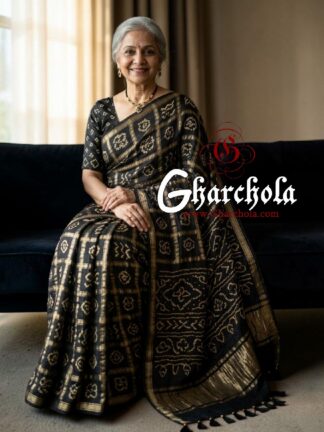
  • Woven Zari Grid (Chowk): Authentic Gharcholas feature golden zari threads woven directly into the structural warp and weft—creating a distinct geometric grid of checks across the body, framed by a dense Lagdi Patta (solid tissue) or Naksi zari border.
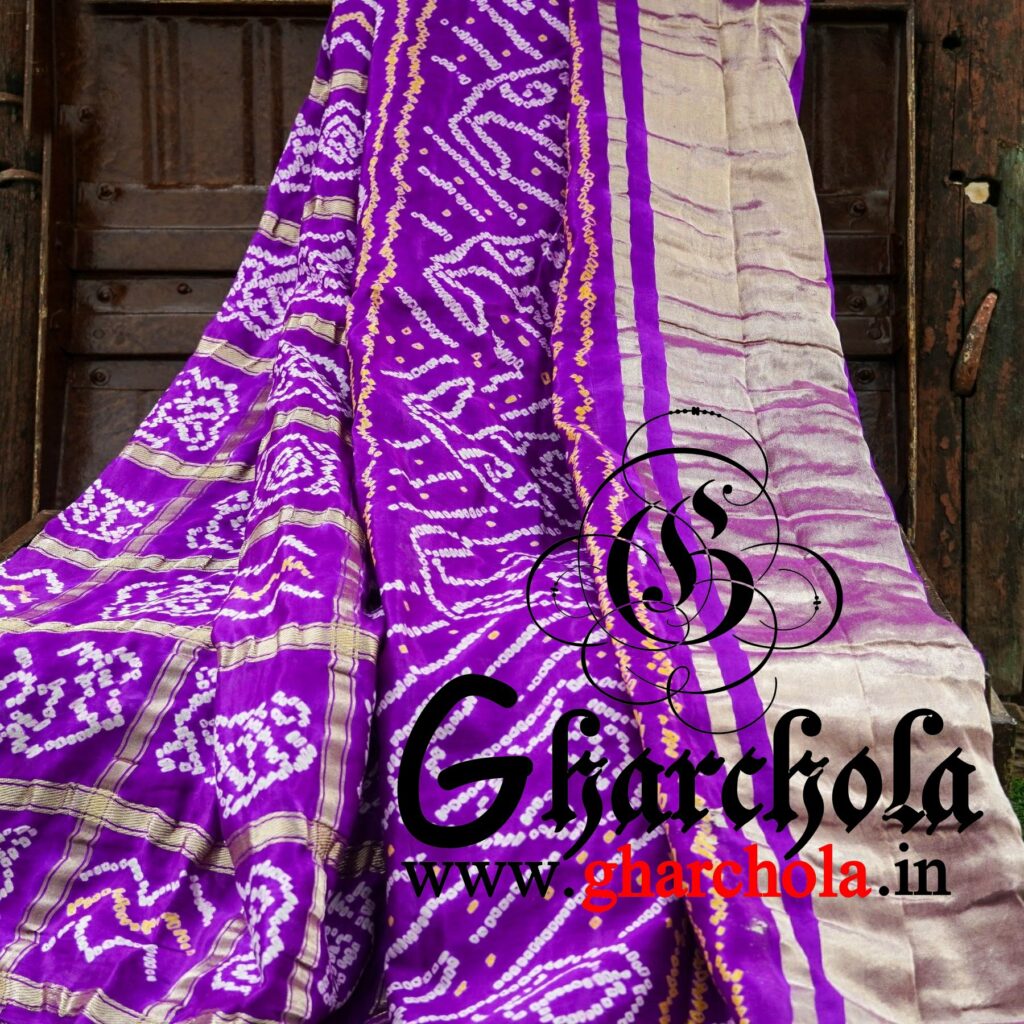
  • Hand-Tied Resist Dyeing (Bandhej): Inside every individual zari square, artisans manually pinch and tie fine dots (bundis) using waxed thread. The best specimens feature ultra-fine Rai Bandhani (dots the size of mustard seeds) shaped into peacocks (mor), dancing figures (shikargah), and blossoming lotuses.
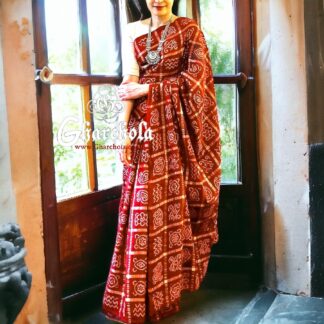
  • Sacred Auspicious Palette: While modern interpretations embrace bottle greens and royal yellows, traditional vermilion red, crimson, and deep maroon remain the definitive bridal hallmarks.

12 Squares vs. 52 Squares: Which Is Best for You?

FeatureBaar Bagh (12 Squares)Bavan Bagh (52 Squares) LayoutLarger, prominent square gridsDensely packed micro-square grids Cultural Meaning12 houses (Bhavas) of Vedic astrology52 weeks of the solar year & 52 Shakti Peethas Artisanal MotifsRepeated traditional icons (peacock, floret)Up to 52 distinctly varied hand-tied motifs Visual AppealBold, graphic, and structuredRich, textured, and museum-grade luxury Best Suited ForTrousseau wear, Pujas, and Godh BharaiWedding ceremony (Hastamelap) and bridal entry

How to Spot an Authentic Handloom Gharchola Online

With countless synthetic georgette and mill-printed imitations on the market, look for these key indicators before purchasing:

  1. Backside Check: In an authentic hand-tied Gharchola, the white or yellow bandhani dots show through gently on the reverse side of the silk, surrounded by slight color bleeds from the dye bath.
  2. Tactile Texture (Charak): Hand-tied bandhani retains a distinctive puckered, crinkled elasticity. Completely flat silk usually signals digital printing.
  3. Zari Integration: Check that the metallic grid is woven seamlessly into the silk ground fabric, rather than stamped on with metallic glitter or foil paint.

How to Style the Best Gharchola Saree

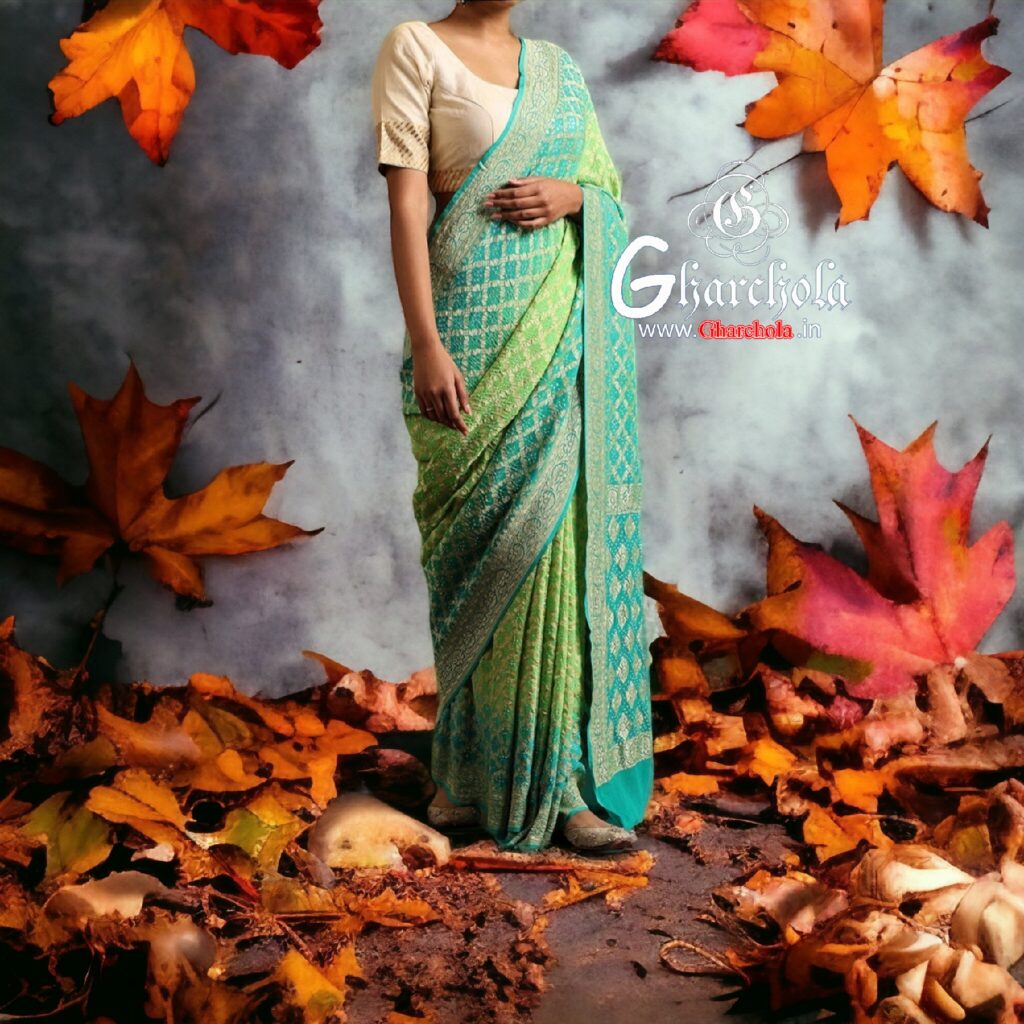
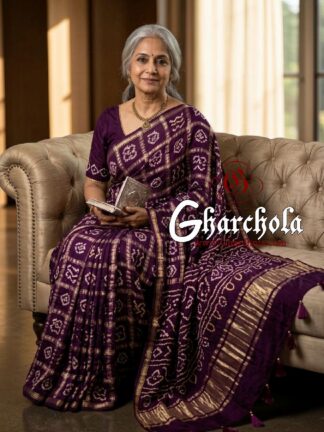
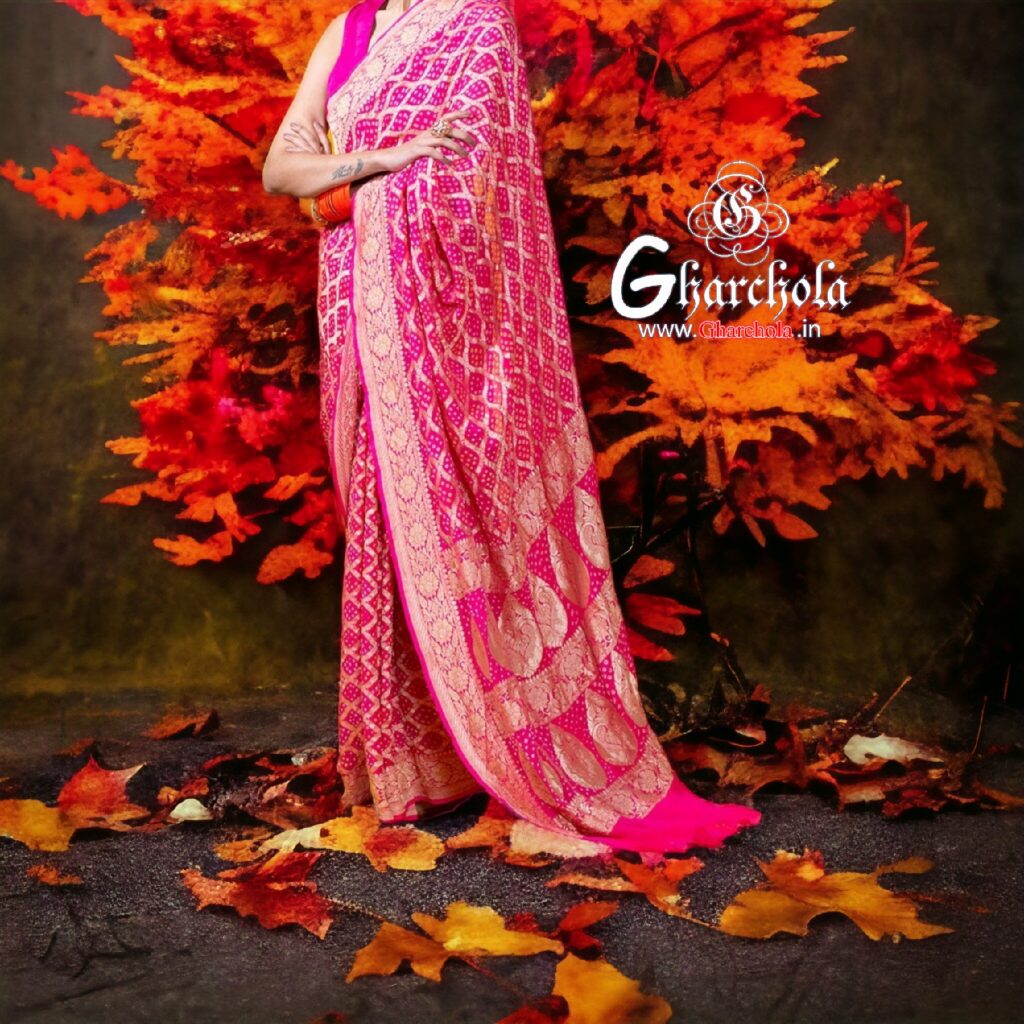
  • The Gujarati Seedha Pallu: Drape the pleats neatly in the front and bring the pallu over the right shoulder across the chest, pinning it at the left waist to showcase the heavy Lagdi Patta border and narrative bandhani grids.
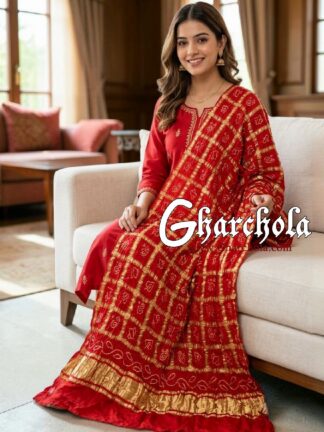
  • The Panetar Pairing: For wedding rituals, layer a vermilion red Gharchola dupatta or pallu over an ivory-and-red Panetar saree to honor both maternal and marital traditions.
  • Jewelry Accent: Pair with temple gold jewelry, uncut polki chokers, or heritage Kundan sets with emerald drops to complement the rich golden zari.

Caring for Your Handloom Gharchola

  • Strict Dry Clean Only: Never wash pure Gaji silk or hand-dyed Bandhani at home.
  • Roll Pressing: Avoid direct high-heat iron contact on the zari and bandhani knots; opt for professional gentle roll-pressing (charak).
  • Storage: Store wrapped in an unbleached cotton or muslin cloth inside a dry, temperate wardrobe away from humidity.

Discover the Best Handloom Gharcholas at Gharchola.com

Explore a curated selection of authentic, pure Gaji silk 12-Bagh and 52-Bagh master-weaves crafted by multi-generational artisans. Visit gharchola.com/shop to find your wedding centerpiece today.
Posted on

Gharcholas

The Untold Secrets of the Gharchola: Beyond the Wedding Grid

Most ethnic wear guides describe the Gharchola simply as a red bridal saree with golden checks. But beneath its visual splendor lies a complex, multi-layered craft history and technical nuance that few casual shoppers ever learn about.

From astronomical symbolism to the chemistry of its dyeing, here is the lesser-known, deep-dive information that makes an authentic handloom Gharchola a pinnacle of Indian textile mastery.

1. The Geometry of Destiny: Why 12 and 52 Squares?

The distinctive grid (chowk) of a Gharchola is not just decorative—it is steeped in Vedic astrology, regional folklore, and spatial geometry:

  • The 12 Squares (Baar Bagh): Represents the 12 houses (Bhavas) of the astrological birth chart (Kundali). Each square traditionally holds blessings to harmonize the cosmic influences governing the couple’s domestic harmony, health, and mutual prosperity.
  • The 52 Squares (Bavan Bagh): Refers to the 52 weeks of the solar year, as well as the 52 sacred Shakti Peethas. In museum-grade master pieces, artisans traditionally ensured that no two squares shared the exact same motif. One grid might host an elephant (haathi), the next an ambel blossom, followed by a dancing damsel (shikargah) or a celestial parrot (popat).

2. The Two-Guild Paradox: Looms of Varanasi, Vats of Kutch

A little-known reality of luxury Gharchola craftsmanship is that the most revered pieces are often a collaboration between two geographically distinct artisan guilds:

  • The Weft & Warp of the North: The base fabric—featuring high-density pure Gaji silk woven with supplementary metallic zari grids—was historically commissioned on specialized handlooms in Varanasi (Banaras), where master weavers perfected the integration of heavy zari warp lines into fine silk.
  • The Resist-Dyeing of the West: Once woven, the un-dyed grid cloth traveled to Jamnagar, Jetpur, and Bhuj (Gujarat). There, local Khatri artisans spent 4 to 8 weeks hand-knotting (Bandhej) each separate square before immersing the silk in deep madder, cochineal, and natural red dye vats.

3. The Science of Gaji Silk: Why Satin Beats Raw Silk

While many bridal sarees use stiff Katan or raw silk, authentic Gharcholas predominantly rely on pure Gaji silk. The choice is intensely functional:

  • Vegetable-Fiber Satin Weave: Gaji silk features a satin face and a soft reverse. Its dense, smooth surface prevents the thread-knots (bundis) from snagging or tearing the delicate fibers during tension-heavy tying.
  • Thermal Insulation for Celebrations: Gaji silk is naturally temperature-regulating—keeping a bride comfortable under hot indoor ceremonial lighting or open-air winter wedding mandaps.
  • Liquid Drape under Gold: Pure zari grids add structural weight. Gaji silk provides a fluid, liquid-like drape that falls gracefully rather than puffing up rigidly around the pleats.

4. The “Seedha Pallu” Engineering

Unlike regular Nivi saree drapes where the pallu is tossed over the left shoulder and flows down the back, the Gharchola is engineered specifically for the traditional Gujarati seedha pallu drape:

  • The pallu is brought from the back, draped flat across the front chest, and tucked neatly at the left hip.
  • This front-facing orientation was intentionally designed to display the heaviest zari panel—the Lagdi Patta (solid golden tissue border) and the dense narrative bandhani—front and center during the sacred Hastamelap (joining of hands) and Mangalphera (circumambulation of the holy fire).

Modern Adaptations: Handloom for Today’s Trousseau

Today, the heritage of the Gharchola extends far beyond single-use wedding day sarees:

  • The Gharchola Dupatta: Draped over ivory chikankari anarkalis, raw silk kurtas, or solid velvet lehengas for instant festive royalty.
  • The Gharchola Kaftan: A relaxed, flowing modern silhouette tailored directly from woven zari-grid Gaji silk, offering festive luxury without the weight of heavy pleating.

Experience genuine handloom craftsmanship, authentic 12 & 52-square grids, and natural pure Gaji silks online at gharchola.com/shop.

Posted on

The Timeless Elegance of Gharchola: Unveiling a Rich Cultural Heritage

The Timeless Elegance of Gharchola: Unveiling a Rich Cultural Heritage :

Step into the world of timeless elegance with the Gharchola, a masterpiece that unveils the rich cultural heritage of India. Crafted meticulously with intricate bandhani and bandhej techniques, this stunning ensemble showcases the craftsmanship and artistry of skilled artisans. Made with luxurious Gaji silk, the Gharchola Dress, Saree, and Dupatta are a reflection of tradition and grace.

The Gharchola Dress is a symbol of opulence and elegance, featuring vibrant colors, intricate patterns, and delicate mirror work. It drapes around the body, accentuating the feminine curves and creating a mesmerizing silhouette. The Gharchola Saree, on the other hand, offers versatility, allowing you to drape it in a myriad of styles, ensuring that you stand out in any occasion.

Completing the ensemble is the Gharchola Dupatta, a versatile accessory that adds a touch of sophistication to any outfit. Whether draped over the shoulders or wrapped around the neck, it adds an extra layer of elegance to your look.

Experience the beauty of tradition with the Gharchola, a timeless masterpiece that transcends centuries. Its exquisite bandhani and bandhej details, along with the luxurious Gaji silk fabric, make it a must-have for those seeking to embrace their rich cultural heritage. Stand out from the crowd and make a fashion statement with this iconic piece that exudes grace and charm.

ODHANO | KHOMBHI | DUPATTA

SAREES

Gharchola
Posted on

Online Bandhani Dupatta

Festive Clearance: Up to 70% Off Online Bandhani Dupattas at Gharchola

Authentic artisan craftsmanship meets unprecedented festive value. For a limited window, gharchola.com/shop is offering an exclusive flat up to 70% off across our premium collection of handloom Bandhani dupattas.

Whether you are preparing for an upcoming wedding, curating your Navratri and Diwali wardrobe, or looking for a timeless celebratory drape, this seasonal flash sale brings genuine tie-and-dye masterworks straight from Gujarat’s artisan heartlands to your doorstep.

Why Our Online Bandhani Sale Stands Out

In a market saturated with cheap digital machine prints, our collection preserves the integrity of true artisanal craft:

  • 100% Genuine Hand-Tied Knots: Every single dot (bundi) is manually tied with thread by skilled artisans before dyeing—giving the fabric its authentic textured crinkle and rich color depth.
  • Pure Silk Foundations: Woven on premium pure Gaji silk (known for its lustrous satin sheen and heavy fall), feather-light pure georgette, and breathable modal silk.
  • Handloom Zari Accents: Finished with traditional Lagdi Patta (golden tissue edges), rich Naksi zari borders, and classic Gharchola grid checks (chowk).
  • Direct Value: By bringing these pieces directly from weavers and dyers to your screen, this clearance offers authentic artisan pieces at up to 70% off regular retail prices.

Featured Sale Categories

Collection Fabric & Craftsmanship Discount Highlight
Pure Gaji Silk Bandhani Satin-weave silk with dense, multi-color hand-tied knots Up to 70% Off
Rai Bandhani Dupattas Intricate mustard-seed micro-knots with Lagdi Patta borders Special Festive Clearance
Traditional Gharchola Dupattas Woven gold zari grid checks with tie-dye floral centers Flash Sale Markdown
Georgette Gotapatti Bandhej Fluid, airy drape framed with delicate hand-stitched gota ribbon work Limited Stock Deal

Quick Styling Inspiration

  1. The Statement Contrast: Drape a vivid crimson red, emerald green, or rani pink Bandhani dupatta over a solid ivory, beige, or black raw silk kurta set to let the vibrant tie-dye pattern take full focus.
  2. The Classic One-Shoulder Fall: Pin the dupatta neatly to your left shoulder, allowing the heavy golden border and pallu to cascade forward gracefully for wedding functions and pujas.
  3. The Cinched Silhouette: Drape the dupatta evenly around your neck over an anarkali suit, cinching it at the waist with an embroidered or sleek metallic belt for a contemporary festive look.

Caring for Your Handloom Purchase

To preserve the vivid dyes and delicate zari threadwork:

  • Dry Clean Exclusively: Never hand-wash or machine-wash pure silk Bandhani.
  • Maintain the Crinkle: Avoid harsh, high-heat flat ironing; opt for gentle roll-pressing (charak) to maintain the signature texture.
  • Store Safely: Keep wrapped loosely in clean, breathable muslin or cotton cloth away from moisture and direct sunlight.

Claim Your Piece Before Stocks Clear

Because authentic handloom Bandhani involves weeks of manual knotting and dyeing per drape, quantities in this 70% off sale are strictly limited. Once an artisan lot sells out, it cannot be instantly restocked.

Shop the festive sale directly at gharchola.com/shop while stock lasts.

Posted on

Online Bandhej Dupatta

Online Bandhej Dupatta: Shop Authentic Handloom Drapes at Gharchola

Shopping for an authentic Bandhej dupatta online can often feel overwhelming. With countless digital prints and synthetic imitations on the market, finding a genuine, artisanal tie-dyed drape requires knowing what to look for.

At gharchola.com, we bring the heritage workshops of Jamnagar and Kutch straight to your screen—offering verified handloom Bandhej dupattas crafted on pure silks with authentic hand-tied knots.

How to Identify an Authentic Bandhej Dupatta Online

When browsing online collections, keep these key markers in mind to ensure you are buying a genuine hand-crafted piece:

  • Natural Irregularity in Knots: Authentic hand-tied Bandhej dots (bundis) vary subtly in size and spacing, proving they were plucked and tied by human hands rather than printed by a machine.
  • Tactile Texture & Crinkle: Genuine Bandhej features a textured, puckered feel (charak). If the fabric is completely flat and smooth right out of the box, it is likely a digital screen print.
  • Premium Silk Canvases: Pure Gaji silk (known for its glossy satin sheen and heavy drape), lightweight pure georgette, and fine modal silk are the hallmarks of luxury Bandhej.
  • Handloom Zari Borders: Look for woven metallic details—such as Lagdi Patta (golden tissue edges), Naksi zari work, or authentic Gharchola grid checks (chowk).

Signature Styles Available Online at Gharchola.com

CollectionFabric & CraftsmanshipIdeal Occasion Pure Gaji Silk BandhejHeavy satin-finish silk with intricate hand-tied dotsWeddings, Pujas, and family milestones Rai Bandhani DupattasUltra-fine mustard-seed micro-knots with Lagdi PattaFestive evening galas and bridal wear Traditional Gharchola DupattasGolden zari checks paired with auspicious tie-dye motifsGodh Bharai, Sangeet, and bridal trousseaus Georgette Gotapatti BandhejAiry, flowing georgette finished with delicate floral gota bordersDaytime ceremonies, Mehendi, and Diwali

3 Easy Ways to Style Your Bandhej Dupatta

  1. The Classic Contrast: Pair a bright vermilion red, rani pink, or peacock blue Bandhej dupatta with a solid ivory or off-white kurta set to make the intricate tie-dye the hero of your outfit.
  2. The Regal Side-Sweep: Pin one end securely at your shoulder and gather the remaining length over your wrist for an effortless, royal drape.
  3. The Belted Modern Drape: Place the dupatta symmetrically around your neck over an anarkali or floor-length tunic, securing it at the waist with an embroidered or metallic belt.

How We Ensure Safe Delivery of Your Handloom Piece

When you order online from gharchola.com, every dupatta undergoes strict quality checks:

  • Careful Packaging: Each piece is carefully wrapped to protect the pure silk fibers, metallic zari borders, and crinkled textures.
  • Reliable Doorstep Delivery: Direct shipping across India and worldwide with full transit tracking.

Buy Original Handloom Bandhej Dupattas Online

Elevate your festive wardrobe with authentic artisanal beauty. Explore our curated online collection of pure Gaji silk, georgette, and Gharchola dupattas today at gharchola.com/shop.

Posted on

Bandhani Dupatta India

Bandhani Dupatta India: The Royal Art of Gujarati Tie-and-Dye at Gharchola

In the rich landscape of Indian textiles, few crafts command as much reverence as the authentic Bandhani dupatta. Originating from the vibrant cultural hubs of Gujarat—including Jamnagar, Kutch, and Jetpur—Bandhani represents centuries of unhurried manual artistry.

At gharchola.com, our collection of genuine handloom Bandhani dupattas brings India’s most celebrated resist-dye traditions directly to women who value craft, purity, and timeless elegance.

What Makes an Authentic Indian Bandhani Dupatta Unique?

Derived from the Sanskrit word Bandh (to tie), genuine Indian Bandhani is defined by meticulous human technique rather than mass mechanical printing:

  • Patience of the Artisans: Every dot (bundi) is hand-plucked with a fingernail or small brass ring (nakhalia) and bound tightly with waxed thread before diving into rich dye baths.
  • Micro-Dot Refinement (Rai Bandhani): The finest tier of Indian Bandhani features tiny mustard-seed knots (Rai Bandhani), taking anywhere from 30 to 90 days of intricate hand-knotting to complete a single 2.5-meter piece.
  • Pure Silk Canvases: We weave our dupattas on pure Gaji silk (celebrated for its lustrous satin finish and supple fall), airy pure georgette, and smooth modal silk.
  • Zari Craft & Handloom Detailing: Finished with traditional Lagdi Patta (golden tissue edges), Naksi Jari borders, and hand-embroidered Gotapatti flourishes.

Must-Have Bandhani Dupatta Styles for Your Wardrobe

Dupatta StyleDistinct FeaturesBest Styled With Pure Gaji Silk Rai BandhaniDense micro-dots, heavy golden border, glossy finishMonochromatic raw silk suits, wedding anarkalis Traditional Gharchola DupattaWoven gold zari grid checks (chowk) with tie-dyed motifsBridal lehengas, festive silk kurtas Ombré Shaded Georgette BandhejDual-tone dip-dyed shades with a lightweight, fluid drapePastel daytime wedding sets, festive dinners Embellished Gotapatti BandhaniHand-sewn floral gotta patti ribbon work framing the bordersSangeet, Mehendi, and Diwali celebrations

How to Style a Bandhani Dupatta

  1. The Statement Contrast: Drape a vivid vermilion red, emerald green, or rani pink Bandhani dupatta over a solid ivory or off-white raw silk kurta set to let the intricate tie-dye pop.
  2. Classic Seedha Pallu: Pleat the dupatta neatly over your right shoulder in the traditional Gujarati style, letting the embellished pallu display its full zari and bandhani work.
  3. Cinch It with a Belt: Wear the dupatta evenly around your neck over a floor-length tunic or ethnic dress, securing it at the waist with a slim metallic or embroidered belt.

Preserving Your Handloom Bandhani

  • Dry Clean Only: Always opt for professional dry cleaning to protect the pure silk fibers and intricate dyes.
  • Gentle Roll-Press: To maintain the authentic crinkled texture (charak), avoid direct high-heat iron pressing.
  • Breathable Storage: Store wrapped loosely in a soft muslin or pure cotton bag away from direct sunlight.

Discover Authentic Handloom Bandhani at Gharchola.com

Experience the richness of authentic Indian tie-and-dye craftsmanship. Explore our full catalog of hand-tied Gaji silk, georgette, and Gharchola dupattas today on gharchola.com.

Posted on

Handmade Dupatta

The Elegance of Handmade Dupattas: Pure Handloom Artistry at Gharchola

In Indian ethnic fashion, nothing rivals the grace, tactile richness, and personal touch of a genuine handmade drape. While mass manufacturing floods the market with flat digital prints, an authentic handmade dupatta carries weeks—and often months—of dedicated manual craft.

At gharchola.com/shop, our curated range of handmade dupattas celebrates Gujarat’s finest artisan traditions, bringing pure silk fabrics, intricate resist-dyeing, and rich handloom mastery directly into your festive wardrobe.

Why Invest in an Authentic Handmade Dupatta?

A genuine handmade dupatta is more than an accessory—it is a piece of living wearable art.

  • Every Detail Made by Hand: Whether it is the thousands of minuscule knots in Rai Bandhani or the hand-guided needlework of Gotapatti, every inch reflects human touch and patience rather than factory mechanization.
  • Pure Silk Canvases: Crafted on luxurious pure Gaji silk (with its radiant satin finish and weighted fall), breathable modal silk, and lightweight pure georgette.
  • Traditional Handloom Borders: Many of our pieces are woven on traditional looms featuring authentic Lagdi Patta (golden tissue borders), Naksi zari edges, and intricate chowk (grid) structures.
  • Enduring Value: When cared for properly, a pure handloom dupatta retains its brilliance, texture, and cultural significance for decades.

Signature Handmade Dupatta Styles at Gharchola

Dupatta StyleKey Craft TechniqueIdeal Occasion Pure Gaji Silk BandhaniAuthentic hand-tied knots on glossy vegetable-fiber satin silkFestive gatherings, wedding receptions, and Pujas Traditional Gharchola DupattaWoven golden zari grid checks (chowk) filled with tie-and-dye motifsBridal wear, Godh Bharai, and Sangeet ceremonies Rai Bandhani DupattaUltra-fine mustard-seed micro-dots tied manually over 30–60 daysMilestone celebrations, royal evening soirees Embellished Gotapatti DupattaHand-applied gota ribbon floral work and metallic border finishingMehendi, Diwali celebrations, and sangeet nights

3 Effortless Ways to Style Your Handmade Dupatta

  1. The Regal Monochromatic Contrast: Pair an auspicious vermilion red, rani pink, or emerald green handmade dupatta with an ivory, ecru, or raw silk kurta set to let the artisanal textures take center stage.
  2. The Classic One-Shoulder Cascade: Pin one end neatly at your left shoulder and gather the remaining length loosely over your wrist for an effortless, royal drape.
  3. The Cinched Fusion Look: Drape the dupatta evenly around your neck over an anarkali or floor-length tunic, then cinch it at the waist with an embroidered or metallic belt.

Care Tips for Your Handloom Dupattas

To preserve the vivid dyes and delicate handwork of your drape:

  • Dry Clean Exclusively: Protect the pure silk fibers and zari work by opting for professional dry cleaning.
  • Safe Storage: Wrap your dupatta in a clean, breathable muslin or cotton cloth away from direct sunlight.
  • Preserve the Crinkle: For crinkled Bandhani styles, avoid direct high-heat iron pressing; choose gentle roll-pressing (charak) to maintain the signature texture.

Shop Handmade Dupattas at Gharchola

Explore our curated selection of hand-tied Gaji silk Bandhani, Gharchola grids, and artisanal dupattas online at gharchola.com/shop.

Posted on

Original Bandhani Dupattas

The Art of Original Bandhani Dupattas: Pure Craft at Gharchola

Nothing elevates festive ethnic wear quite like an authentic, handcrafted drape. From Jamnagar to the heart of Kutch, the art of tie-and-dye has adorned royal courts and celebrations for centuries.

At gharchola.com/shop, our curated collection of original Bandhani dupattas celebrates this unhurried tradition—bringing authentic handloom mastery, rich pure silks, and intricate dye craft directly into your wardrobe.

What Defines an Original Bandhani Dupatta?

In a market flooded with digital imprints and machine imitations, an original Bandhani drape stands apart in texture, precision, and soul.

  • Authentic Hand-Tied Knots (Bandhej): Every dot (bundi) is manually pinched and bound with thread by skilled artisans before dyeing. No two dots are mathematically identical, giving each piece unique character.
  • Micro-Dot Precision (Rai Bandhani): Our premium collection features minuscule mustard-seed knots (Rai Bandhani), delivering razor-sharp designs ranging from traditional shikargah (processions of elephants and dancing peacocks) to elaborate floral vines.
  • Signature Tactile Crinkle: An authentic bandhani possesses a distinct crinkle and textured elasticity that machine prints simply cannot duplicate.
  • Pure Fabric Canvases: We craft our dupattas on pure Gaji silk (known for its lustrous satin finish and fluid weight), airy pure georgette, and breathable modal silk.
  • Rich Zari Finishes: Framed with woven Lagdi Patta tissue borders, intricate Naksi Jari work, or delicate Gotapatti hand embroidery along the edges.

Must-Have Styles in Our Dupatta Collection

Dupatta StyleFabric & DetailingBest Paired With Pure Gaji Silk Rai BandhaniDense micro-dots, Lagdi Patta border, rich jewel tonesRaw silk suits, monochromatic anarkalis Traditional Gharchola DupattaWoven gold zari grid checks (chowk) with Bandhani centersBridal lehengas, contrast silk kurtas Dual-Tone Georgette BandhejOmbré dip-dyed shades with lightweight bodySummer weddings, pastel festive sets Embellished Gotapatti DupattaPure silk with hand-stitched floral gotta edgingSangeet, Mehendi, and Diwali celebrations

Styling Your Handloom Bandhani Dupatta

  • The Regal Contrast: Pair an auspicious vermilion red, rani pink, or emerald green dupatta over a neutral ivory, cream, or beige kurta set to let the vibrant tie-dye become the focal statement.
  • Shoulder & Wrist Drape: Pin one end securely to your left shoulder and loop the other end gently across your opposite wrist for an elegant, fluid cascade.
  • Cinched Fusion: Drape it symmetrically around your neck over a tailored ethnic gown or jumpsuit, securing it at the waist with a sleek metallic belt.

Shop Authentic Handloom Bandhani at Gharchola

Every piece in our dupatta collection supports multi-generational artisan communities who dedicate weeks to knotting and dyeing each single drape.

Explore the full range of authentic Gaji silk, georgette, and Gharchola dupattas today at gharchola.com/shop.

Posted on

Rai Bandhani Dupatta

The Timeless Magic of the Rai Bandhani Dupatta

Among all the traditional tie-and-dye techniques across India, Rai Bandhani sits at the pinnacle of skill, precision, and luxury. Derived from the Hindi and Gujarati word Rai (mustard seed), this craft is celebrated for producing the tiniest, most refined resist-dyed dots imaginable.

A single Rai Bandhani Dupatta transforms an understated kurta, anarkali, or lehenga into a statement of pure royal heritage.

What Makes Rai Bandhani So Rare and Special?

While regular Bandhani uses larger knots, Rai Bandhani demands extraordinary dexterity and patience from master artisans in Jamnagar, Kutch, and Jetpur.

  • Microscopic Mustard-Seed Ties: Artisans use a pointed fingernail or small brass ring (nakhalia) to pinch minuscule pinches of silk, tying each one tightly with waxed cotton thread. Because the dots are as tiny as mustard seeds, thousands of ties are required across a single 2.5-meter dupatta.
  • Month-Long Craftsmanship: Tying an intricate Rai Bandhani dupatta can take between 30 to 90 days of painstaking manual labor before the fabric ever touches the dye bath.
  • Crisp, Dense Motifs: Because the knots are so fine, artisans achieve intricate figures—such as Shikargah (processions of elephants and horses), mor (peacocks), raas leela, and flowing geometric ripples (leheriya)—with razor-sharp clarity.
  • Pure Gaji & Georgette Silks: The delicate tying process requires premium fabrics with high tensile strength. Pure vegetable-fiber Gaji silk (with its glossy satin glow) and pure Banarasi georgette are the preferred canvases.
  • Woven Zari Accents: High-end Rai Bandhani dupattas are finished with rich Lagdi Patta (golden tissue edges), Naksi zari borders, or delicate gotapatti work.

How to Style a Rai Bandhani Dupatta

  • The Minimalist Contrast: Pair a bright vermilion red, rani pink, or emerald green Rai Bandhani dupatta with a solid ivory or raw silk monochromatic suit to let the micro-dots take center stage.
  • Royal Festive Drape: Style it over a contrasting banarasi or raw silk lehenga for weddings, pinning one end at the shoulder and letting the fluid silk cascade down your arm.
  • Belting the Pallu: Drape it around the neck and secure it at the waist with a thin metallic belt over an ethnic gown or fusion anarkali.

Caring for an Handloom Piece

Authentic Rai Bandhani retains its signature crinkled texture (charak). To keep your dupatta looking pristine for decades:

  1. Dry Clean Exclusively: Never hand-wash or machine-wash pure silk bandhani.
  2. Handle the Crinkle with Care: Store the dupatta rolled or loosely folded inside a breathable muslin cloth. If you prefer a flatter drape, opt for gentle roll-press (charak) rather than direct hot iron pressing.
Posted on

BANARASI KAFTAN

A Banarasi Kaftan merges the centuries-old brocade heritage of Varanasi with the effortless, flowing ease of a contemporary kaftan silhouette. By taking opulent zari weaves typically reserved for bridal sarees and tailoring them into relaxed resort-festive cuts, it redefines modern Indian occasion wear.

What Makes It Unique?

  • Handwoven Zari Brocade (Kadhwa & Phekwa): Unlike printed alternatives, an authentic Banarasi kaftan features patterns woven directly into the fabric using gold or silver (zari) threads. Traditional motifs like jangla (floral vines), butidar (scattered floral booties), and Mughal-inspired paisleys give it a dimensional texture.
  • Lustrous Base Fabrics: Most designs use Katan silk (pure mulberry silk), Georgette silk, or chanderi blends. Georgette and organza Banarasi kaftans provide a breezy, diaphanous flow, while Katan silk delivers structure and royal sheen.
  • Engineered Borders: Master weavers design specific placements for the borders—running along the deep V-neckline, sleeve cuffs, and side slits to create visual symmetry without feeling heavy.
  • Effortless Versatility: It eliminates the complexity of pleating and pinning a heavy saree, offering the same regal impact in a slip-on silhouette.

Key Specifications & Styling DetailSpecification FabricsPure Katan Silk, Banarasi Georgette, Organza, or Silk Tissue Weaving TechniqueHandloom Jacquard, Kadwa (cut-work), or Meenakari brocade Best OccasionsSangeet cocktails, Diwali parties, destination weddings, and festive dinners Styling TipAdd a sleek metallic waist belt to cinch the waist, paired with uncut polki studs and pointed mules Garment CareDry clean only; store wrapped in muslin away from moisture